

Tuscaloosa Breaks Ground on Final Phase of $86 Million Jack Warner Parkway Transformation
Tuscaloosa broke ground Tuesday on the third and final phase of the Martin Luther King Jr. Boulevard and Jack Warner Parkway Improvements Project. Mayor Walt Maddox called the $86 million effort the largest infrastructure investment in city history.
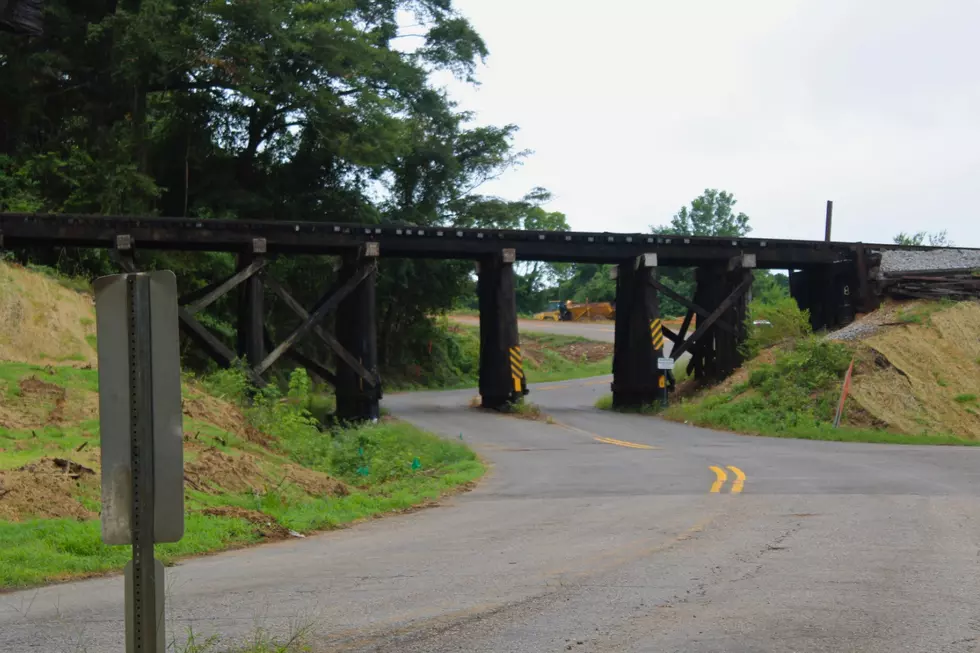
The $49 million Phase 3 focuses on upgrading and expanding the railroad bridge spans over Jack Warner Parkway to improve vehicle traffic beneath the rail line crossings.
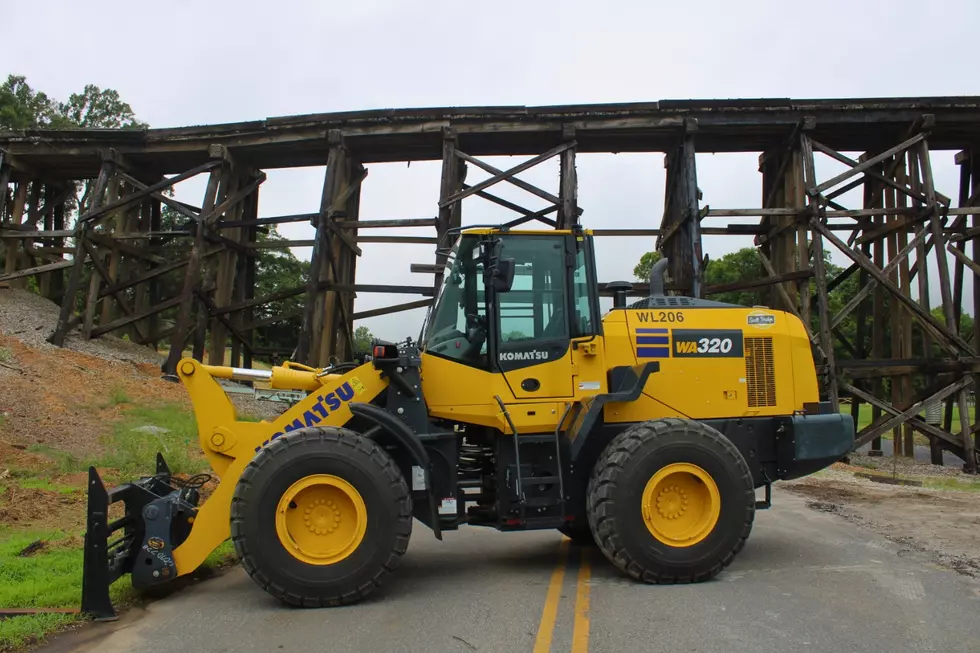
When complete, the full project will have transformed the corridor from Stillman Boulevard to Almon Avenue into a four-lane divided roadway with a landscaped median, sidewalks, shared-use paths, upgraded lighting, enhanced landscaping, and underground utilities.
The three-phase project totals approximately $86 million, funded through the Tuscaloosa County Road Improvement Commission and managed by the City of Tuscaloosa. Phases 1 and 2 are both complete.
This project, Phase 3, will widen the road under the historic wooden railroad trestle as well as its spur line to the west, and trains will continue actively using the line as work gets underway. Construction is expected to take approximately two and a half years.

The project is led by the City of Tuscaloosa, with Burk-Kleinpeter, Inc. serving as consultant, Scott Bridge Company as contractor and Thompson Engineering handling engineering work.
At an early morning groundbreaking ceremony with city officials and state legislators gathered at the site to mark the occasion, Maddox said the project traces its origins to his first months as mayor.
"When I was sworn in on October 3rd, 2005, my first sentence as mayor was that we were going to make amends for the decades of neglect in West Tuscaloosa," Maddox said. "Today, we break ground on a project that is going to be very special to this community, not just in the short term, but in the decades to come."
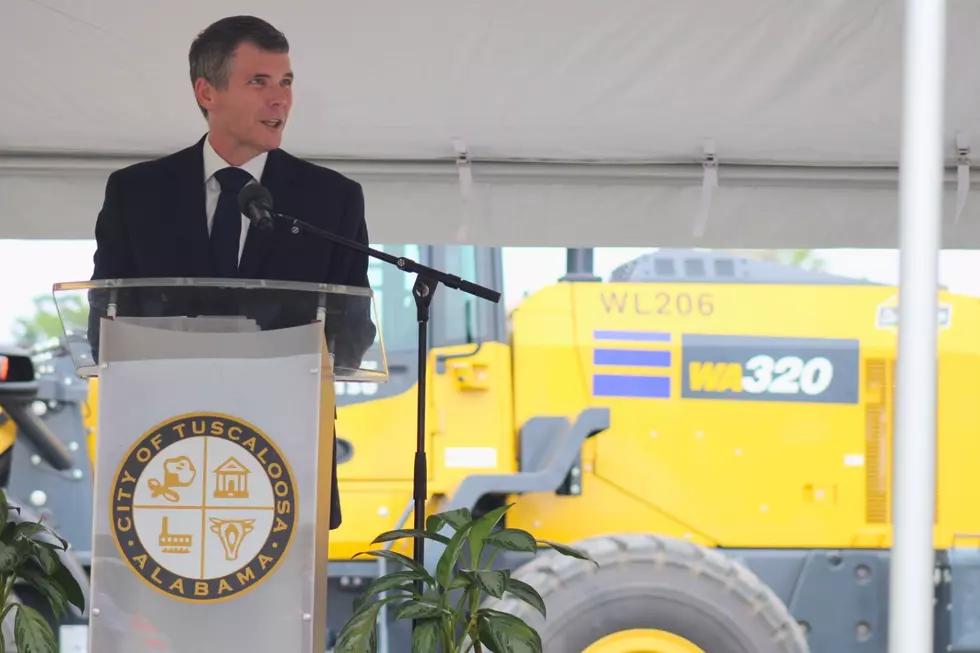
Maddox credited the city's AAA bond rating and the decision to manage the project in-house rather than through ALDOT as key factors in keeping costs down and accelerating the timeline, saying the approach saved Tuscaloosa County taxpayers millions of dollars.
The city took on debt service for the project through TCRIC, and Maddox said thousands of staff hours and millions in city council expenditures went into managing the MLK and McWright's Ferry Road projects over the past five to six years.
Maddox also reflected on what the project represents for civic governance.
"Can things still get done in government? I think that's a fair question," Maddox said. "Today in Tuscaloosa, we show that it can. This is bipartisan legislation ultimately endorsed unanimously by every governing body in Tuscaloosa County that's delivering results."
District 1 Councilor Joe Eatmon, whose district includes the project area, said the railroad trestle has functioned as more than a traffic inconvenience.
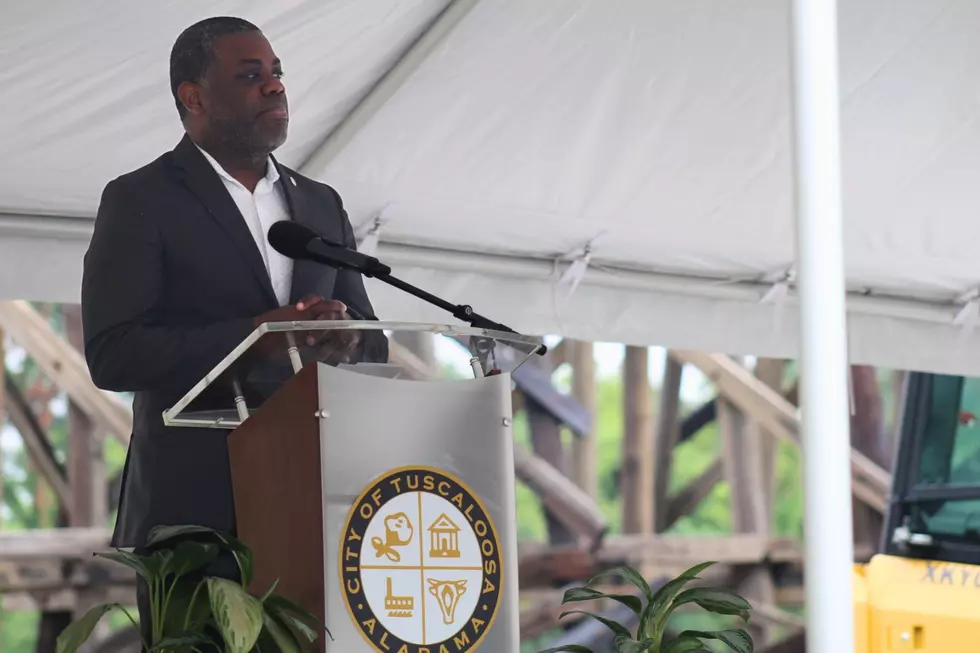
"For years, this bridge has been a psychological barrier for a lot of people, disconnecting West Tuscaloosa from the thriving downtown and other areas of town," Eatmon said. "This is one huge step towards making sure West Tuscaloosa catches up with the rest of the city."
Eatmon pointed to practical public safety consequences of the current configuration, noting that emergency vehicles have had to seek alternate routes to reach residents on the west side of the trestle.
State Rep. Chris England, who helped craft the legislation creating TCRIC through House Bill 600, noted the model has since been replicated in other Alabama counties seeking to fund local road projects.
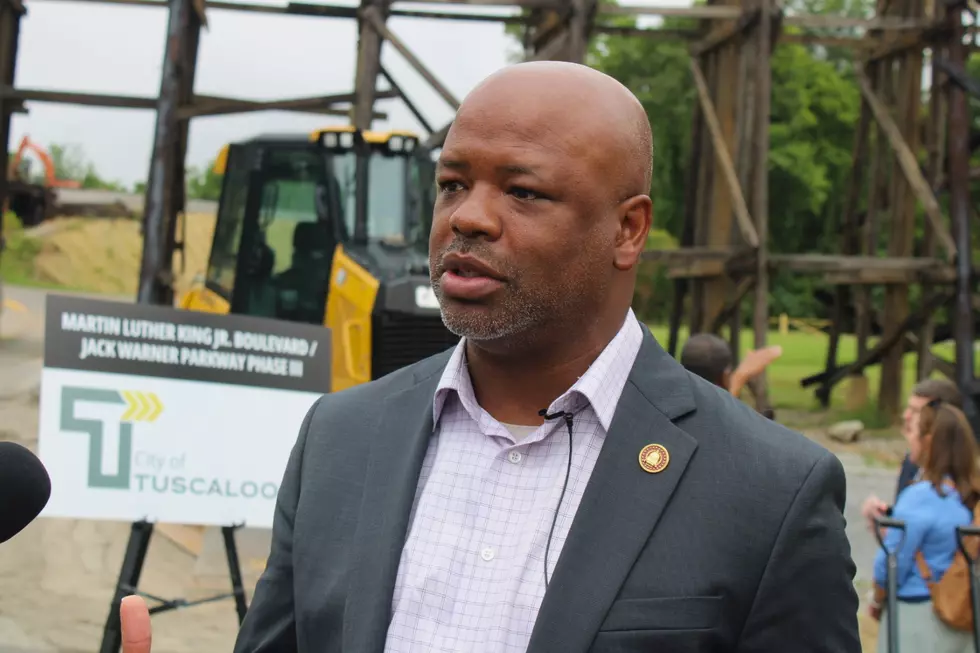
"This was an idea that generated here in Tuscaloosa County, but it has grown and is being used all across the state," England said.
After the ceremony, England said the project's significance extends beyond the bridge itself.
"We're now getting major investment. It sends a message that across the state, all people deserve the same opportunities, the same resources, the same assets," England said. "This area has been neglected for a long time. This is a sign that the city of Tuscaloosa, TCRIC, and all the elected bodies are unified in making sure that every part of Tuscaloosa County gets resources and investment."
England said the more than 100 acres of undeveloped land unlocked by the project could attract a mix of residential, commercial and entertainment development in the years ahead, pointing to the Saban Center, the Mercedes-Benz Amphitheater and nearby hotel development as potential indicators of what is possible.
"When you open this up, you're sending the message that you don't have to worry about public safety issues over here anymore," England said. "Your money is safe to invest in this area."\
Ongoing closures associated with Phase 3 construction include Martin Luther King Jr. Boulevard from just north of 6th Street to Jack Warner Parkway near the Nicks Kids Avenue intersection, the Western Riverwalk connector beneath the trestle bridge and the trestle parking lot, including on show nights at the Mercedes-Benz Amphitheater.

Western Riverwalk access remains available from the west end of the trail near Oliver Lock and Dam.
Residents can sign up for project updates at tuscaloosaroads.com/mlkjwp. Questions can be directed to Tuscaloosa 311.
For more exclusive coverage of development and infrastructure in West Alabama, stay connected to the Tuscaloosa Thread.
Top Stories from the Tuscaloosa Thread (7/6 - 7/13)
Gallery Credit: (Stephen Dethrage | Tuscaloosa Thread)